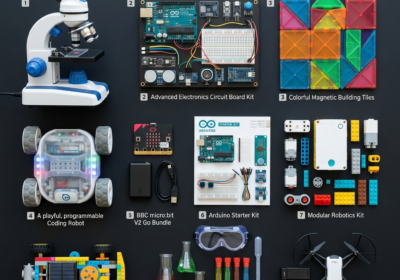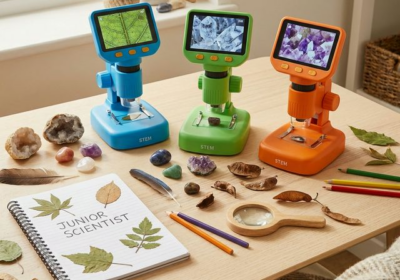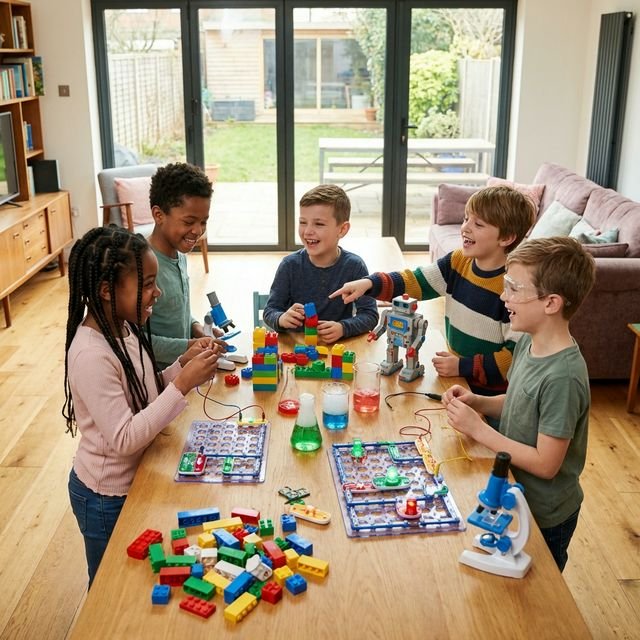

Every parent knows the frustration: you buy a highly-rated educational toy, your child plays with it enthusiastically for a week, and then it gathers dust in the corner of their bedroom. We wanted to find out which STEM toys actually get sustained play, so we surveyed 50 UK families and tracked which toys their children returned to over a six-month period.
The Survey
We asked 50 UK families with children aged 4 to 12 to track their children’s STEM toy usage over six months. Each family received a simple checklist and noted which toys were played with each week. At the end, we compiled the results to identify the toys with the highest sustained engagement.
The results were revealing. The most expensive toys weren’t necessarily the most played with. In fact, several budget options consistently outperformed premium alternatives.
The Winners: Toys with Staying Power
1. Magna-Tiles (Played with weekly by 84% of families)
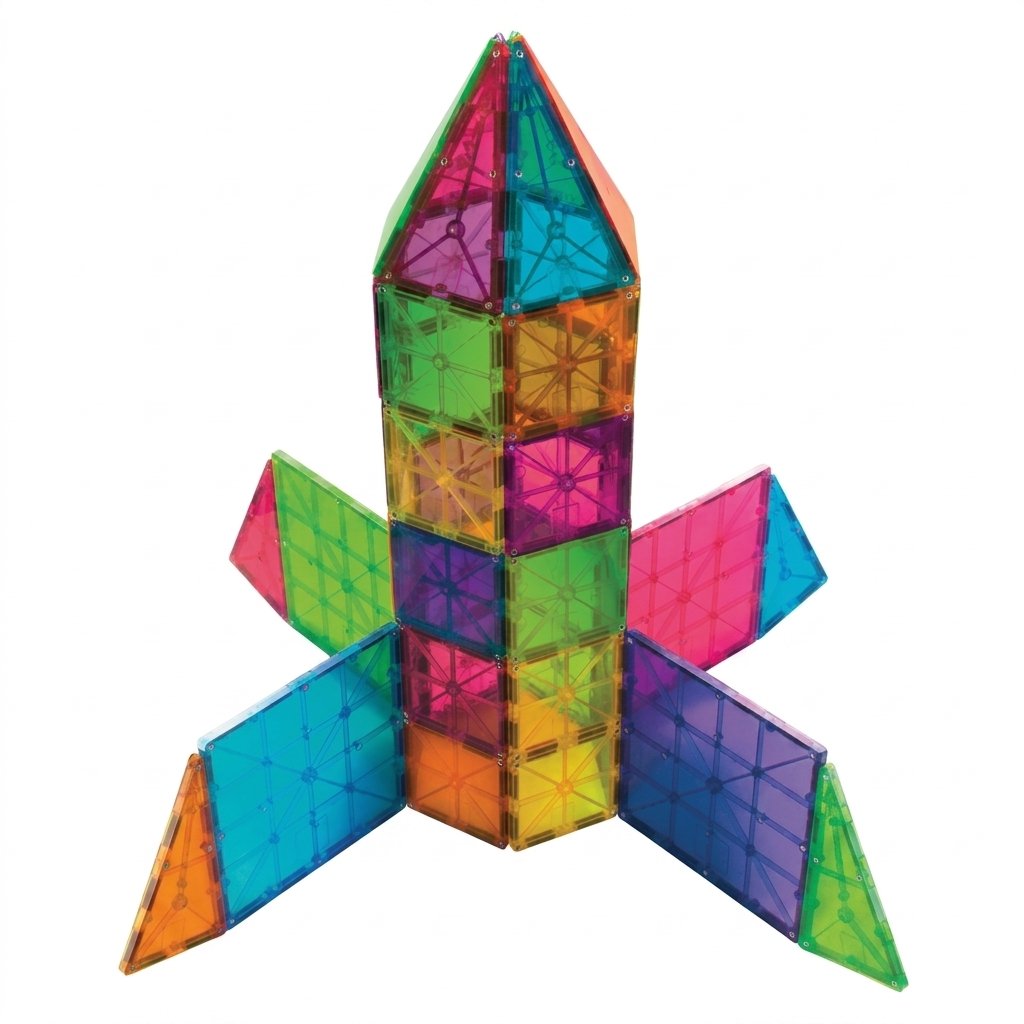
The gold standard in magnetic building tiles. Extremely durable, safe, and highly open-ended for years of creative play.
- 100 colorful translucent tiles
- Strong food-grade ABS plastic
- Fosters spatial and fine motor skills
The runaway winner was Magna-Tiles magnetic building tiles. These colourful, translucent tiles snap together using internal magnets, allowing children to build an almost infinite variety of structures. What sets them apart is their open-ended nature — there’s no “right” way to play with them, which means children don’t get bored once they’ve completed a set project.
Parents noted that Magna-Tiles were equally popular with 4-year-olds building simple towers and 10-year-olds constructing elaborate architectural designs. Several families reported that their Magna-Tiles were the one toy that siblings of different ages would consistently play with together.
2. Snap Circuits Jr. (Played with weekly by 72% of families)
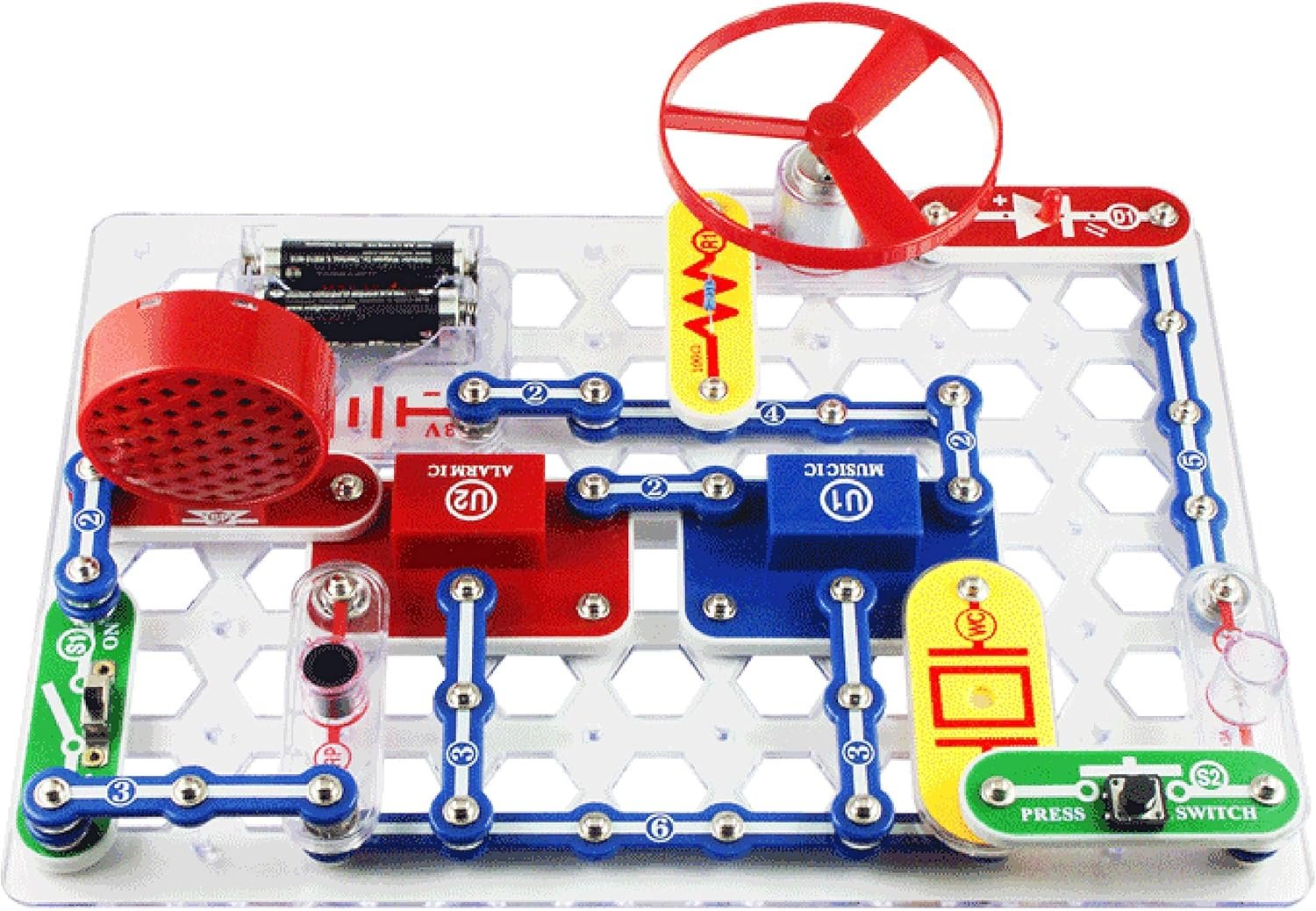
Color-coded components snap easily onto a plastic base grid to build over 100 working electrical projects.
- Over 30 snap-together parts
- Builds 100+ projects including alarms
- Safe and solder-free design
Snap Circuits continue to be one of the most effective STEM toys on the market. The colour-coded pieces snap together on a grid to create working electronic circuits — lights, buzzers, motors, and more. Children get the immediate satisfaction of making something that actually works, which creates a powerful motivation to try the next project.
What surprised us was the longevity. Many parents reported that their children moved beyond the instruction booklet within a few weeks and started experimenting with their own circuit designs. This shift from following instructions to creative experimentation is exactly the kind of learning STEM toys should promote.
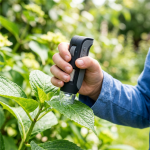
3. Carson MicroBrite Plus Microscope (Played with weekly by 68% of families)
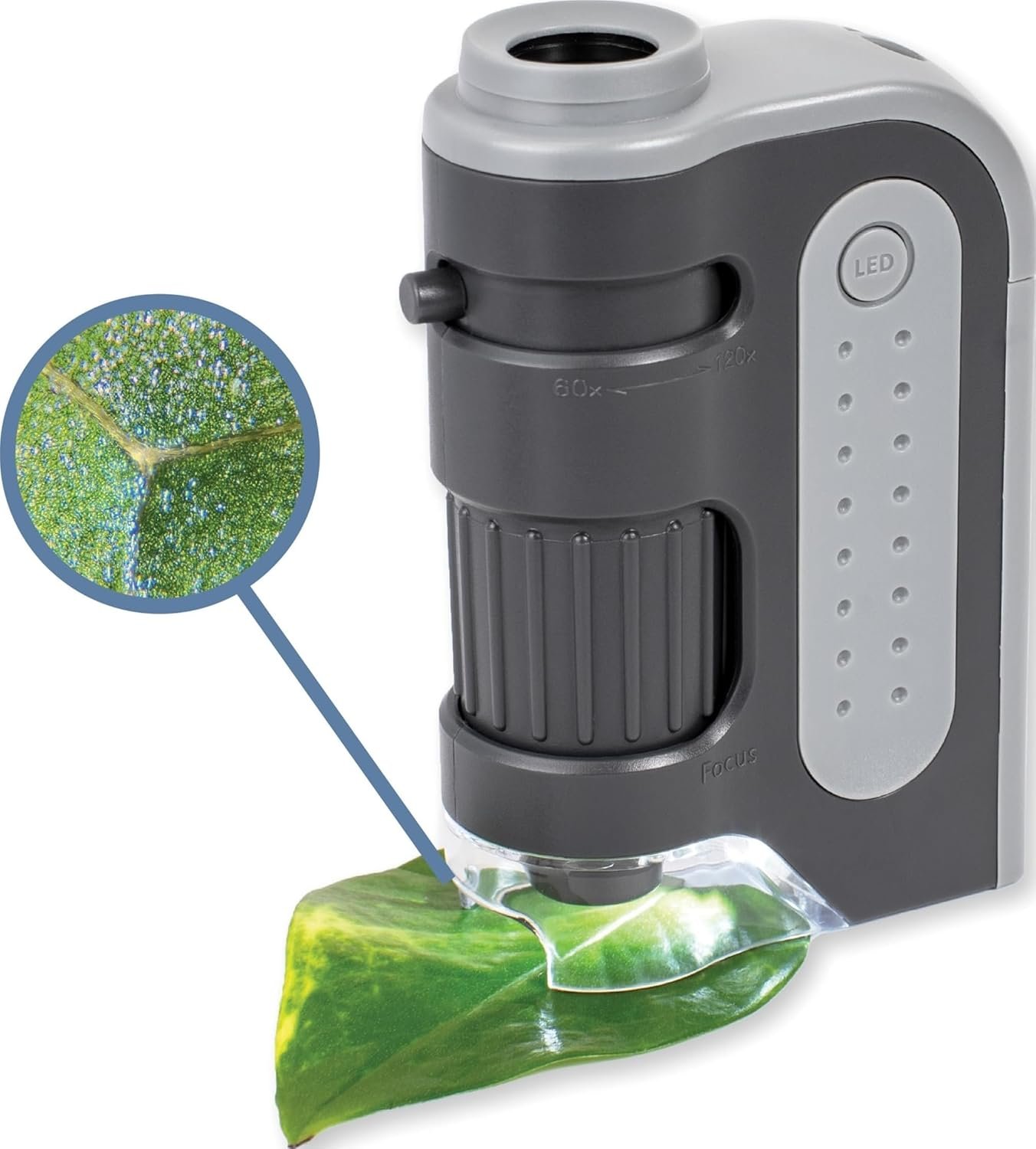
Extremely lightweight, portable pocket microscope with bright LED illumination for outdoor field exploration.
- 60x-120x magnification range
- Bright built-in LED lighting
- Pocket-sized and ultra-portable
A pocket microscope might seem like a novelty, but the Carson MicroBrite Plus had remarkable staying power. Parents told us their children would spontaneously grab it to examine things — a new stone from the playground, a feather found on a walk, food from the kitchen.
The key to its success is portability. Because it fits in a pocket, it becomes part of everyday exploration rather than being confined to a specific “science time.”
4. LEGO Technic (Played with weekly by 65% of families)
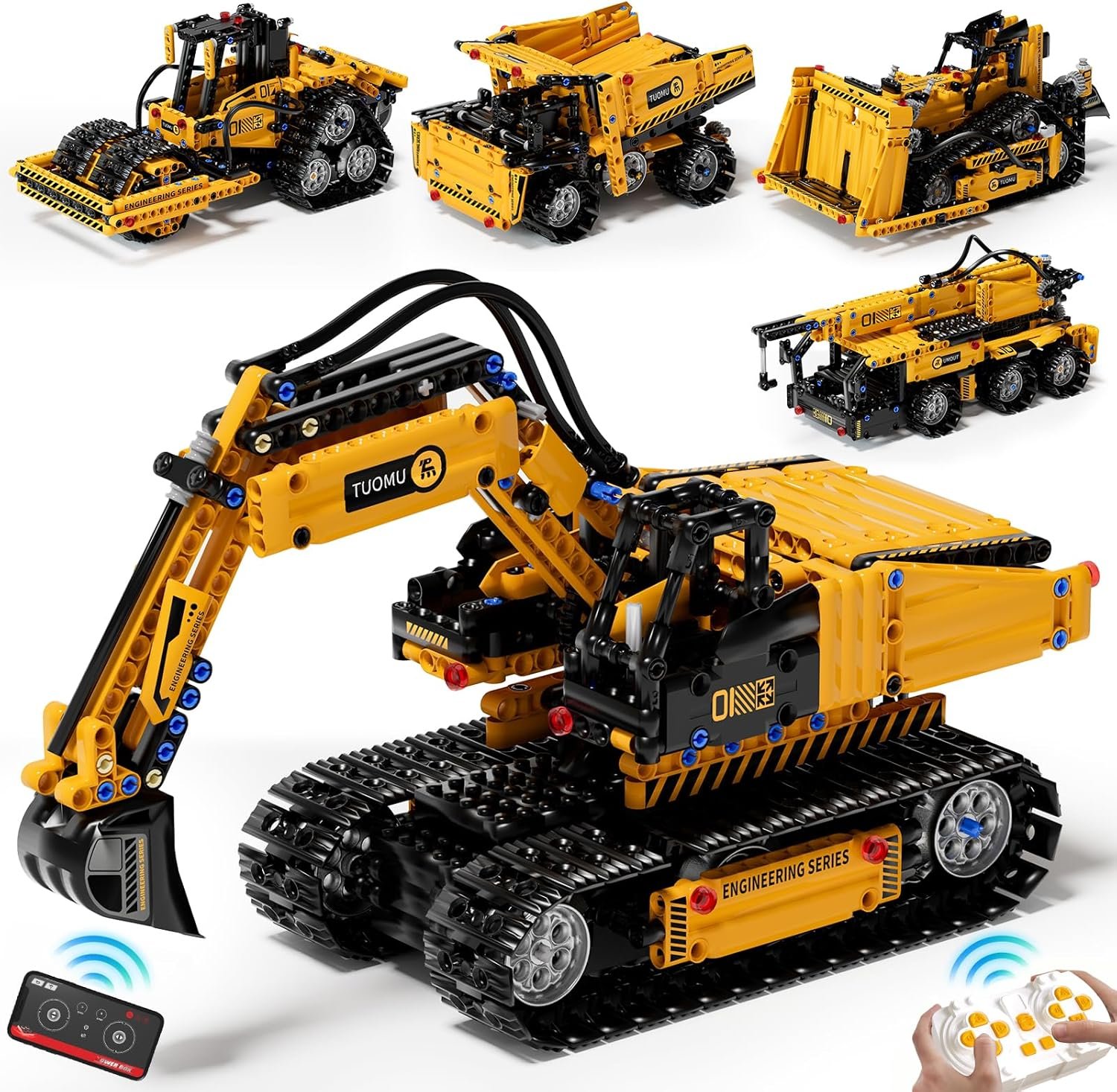
A highly detailed mechanical LEGO building set featuring working steering, suspension, and a 2-speed gearbox.
- 646 pieces mechanical model
- Realistic steering & front suspension
- 2-speed gearbox representation
LEGO Technic consistently outperformed standard LEGO sets for sustained play. The mechanical elements — gears, axles, motors — give children an intuitive understanding of engineering principles. Parents noted that children would often rebuild kits in different configurations, extending the play value far beyond the initial build.
5. Coding Robots — Botley 2.0 (Played with weekly by 58% of families)
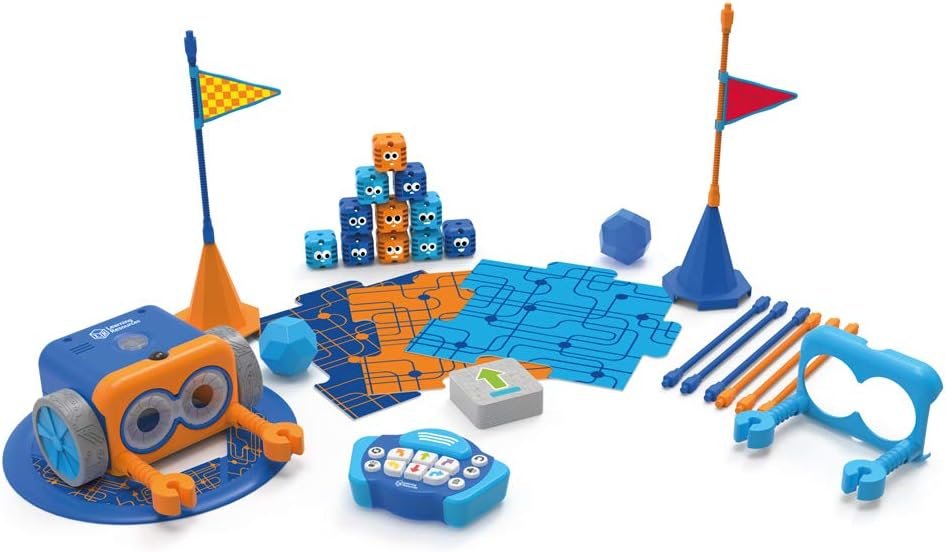
A completely screen-free coding robot that teaches kids programming logic and problem solving through play.
- 100% screen-free coding
- Program up to 150 steps in 6 directions
- Includes 78-piece activity set
Screen-free coding robots like the Botley 2.0 performed surprisingly well for sustained play. Children program the robot using physical buttons, creating sequences of movements and actions. The tangible, physical nature of the programming makes abstract coding concepts concrete and engaging.
The Toys That Faded Fast
Several popular and highly-rated STEM toys showed high initial excitement but rapid decline in use:
- Crystal growing kits — exciting for the first grow, but rarely repeated
- Pre-packaged science experiment kits — once the experiments are done, there’s nothing left to do
- 3D printing pens — high novelty factor but frustrating to use for extended periods
- Programmable drones — exciting but battery life and crash damage kill sustained play
What Makes a STEM Toy “Sticky”?
Analysing the results, clear patterns emerged. The toys with sustained play shared these characteristics:
- Open-ended play — no single “correct” outcome, encouraging creativity
- Incremental complexity — easy to start, but with room to grow
- Tangible results — children can see, touch, or hear the outcome of their work
- Low friction — quick to set up, no batteries to charge, no apps to update
- Social potential — can be used with siblings, friends, or parents
Our Advice
Before buying your next STEM toy, ask yourself: “Will this still be interesting after the first experience is over?” If the toy offers a single experience with a defined endpoint (growing crystals, completing a set of experiments), expect short-lived engagement. If it offers an open platform for creative exploration, you’re much more likely to see sustained play.
The best STEM toys don’t feel like educational tools — they feel like toys that happen to teach. That’s the sweet spot every parent should aim for.